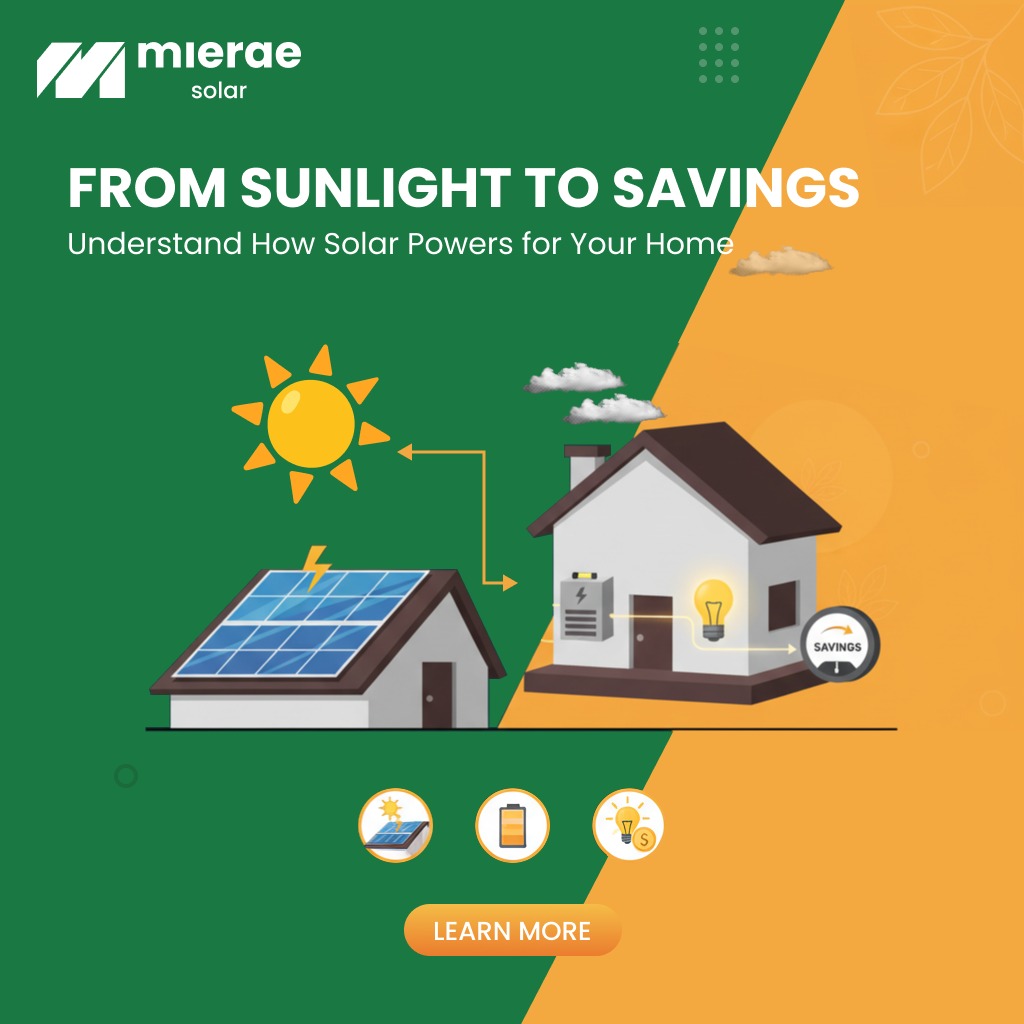

Solar energy is one of the most promising renewable energy sources available today. It harnesses the power of the sun to generate electricity, offering a sustainable and cost-effective alternative to traditional fossil fuels. But how does solar energy work? How does it function at night? And how can you implement it in your own home? This comprehensive guide will answer all these questions and more, helping you understand the intricacies of solar energy.
What Exactly is Solar Energy?
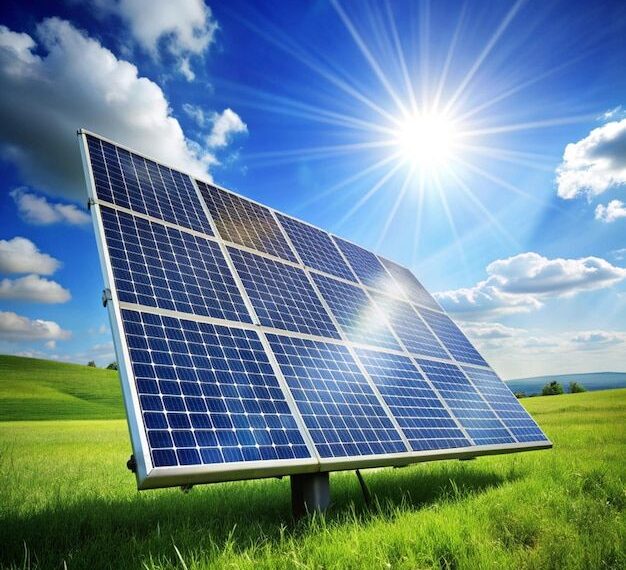
Solar energy is the power obtained from the sun’s rays. This energy can be harnessed using photovoltaic (PV) cells, which convert sunlight directly into electricity. Solar energy is a clean and renewable resource, making it an ideal choice for environmentally conscious homeowners.
How Does Solar Energy Work Step by Step?
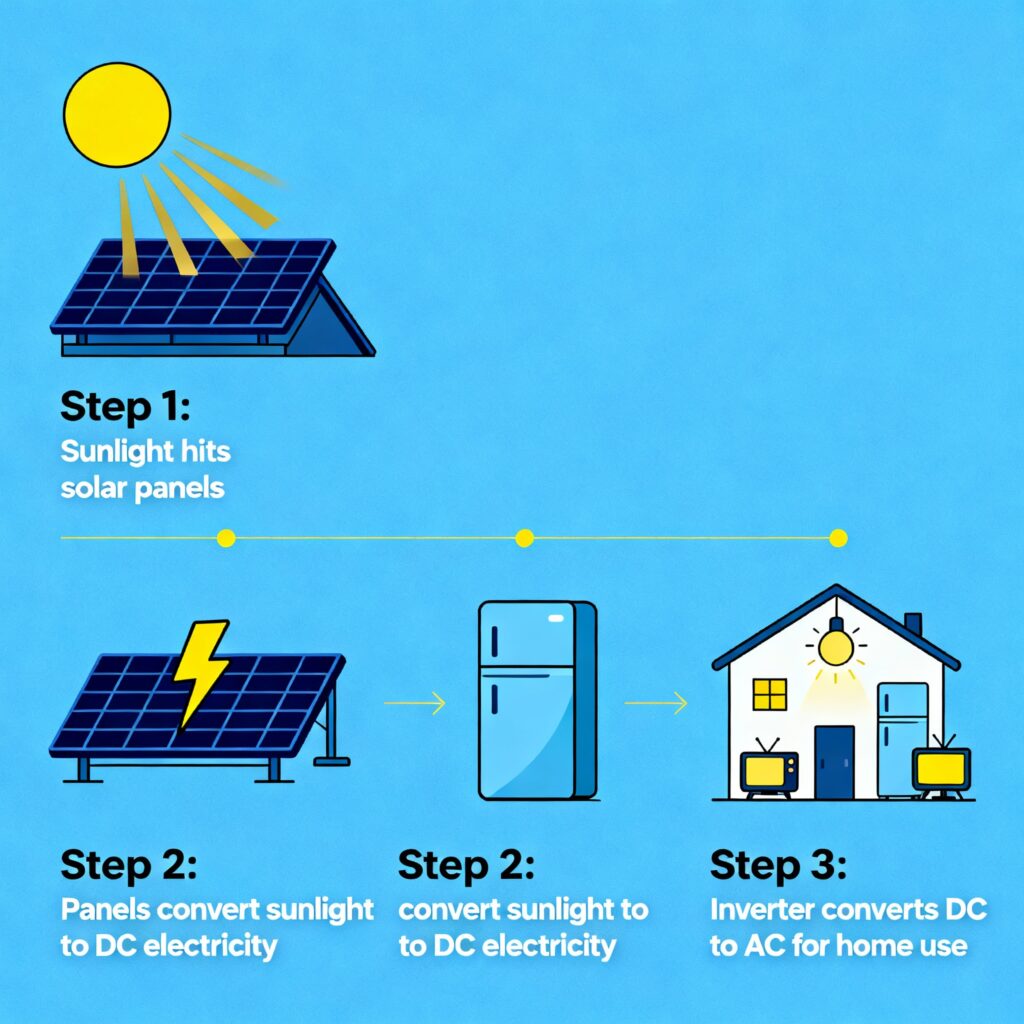
Understanding how solar energy works step by step can help you appreciate the technology behind it. Here’s a simplified breakdown:
- Sunlight Absorption: Solar panels absorb sunlight using PV cells made of semiconducting materials like silicon.
- Electron Excitation: The absorbed sunlight excites electrons within the silicon, creating a flow of electricity.
- Direct Current (DC) Generation: The excited electrons generate direct current (DC) electricity.
- Inverter Conversion: An inverter converts the DC electricity into alternating current (AC) electricity, which is used in homes.
- Power Distribution: The AC electricity is distributed throughout your house to power appliances and devices.
- Excess Power Management: Any excess electricity generated can be stored in batteries or fed back into the grid, depending on your setup.
How Does Solar Energy Work at Home?
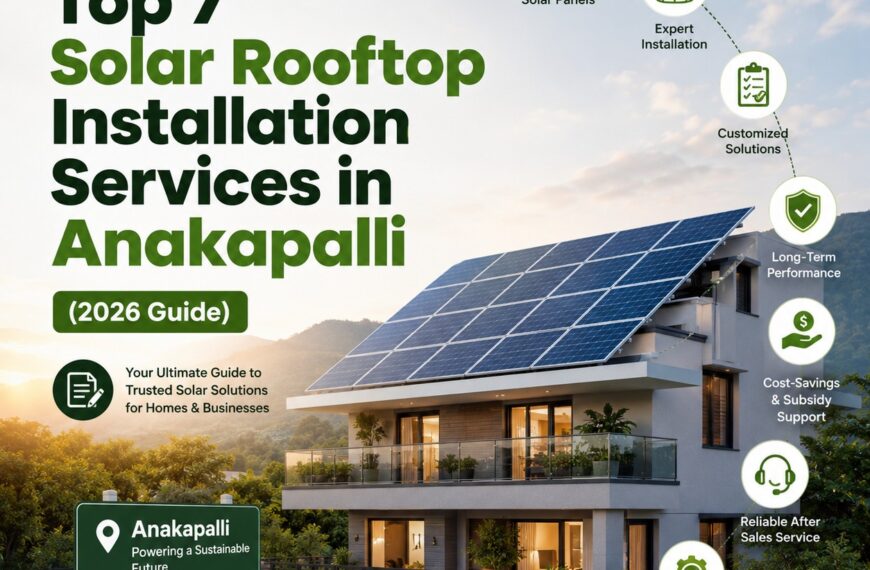
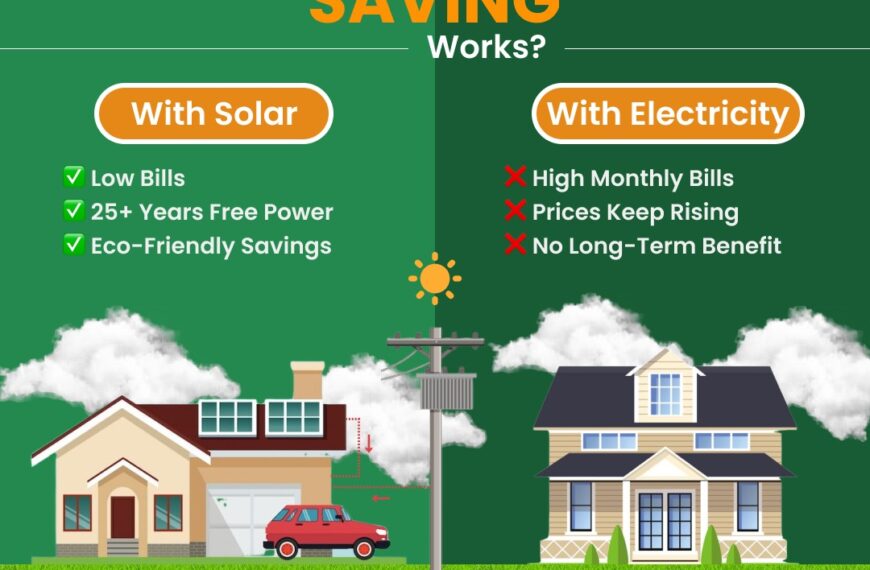
Implementing solar energy at home involves installing solar panels on your roof or in your yard. These panels capture sunlight and convert it into electricity, which can be used to power your home. The excess energy can be stored in batteries or sent back to the grid, earning you credits or reducing your electricity bill.
How Does Solar Energy Work at Night and When the Sun Goes Down?
Solar energy generation typically stops when the sun goes down. However, with advancements in battery technology, you can store excess energy generated during the day for use at night. Additionally, some solar systems are connected to the grid, allowing you to draw power from the grid when your solar panels are not generating electricity.
How Does Solar Energy Work for Kids? Simplified Explanation
Explaining solar energy to kids can be fun and educational. Here’s a simple way to describe it:
- Sunlight Capture: Imagine solar panels as big, flat sheets that soak up the sun’s rays.
- Electricity Creation: The sun’s rays hit the panels and create tiny electrical charges.
- Powering Devices: These charges flow into wires and power your home’s lights, TVs, and other gadgets.
- Day and Night: During the day, the sun provides lots of power. At night, stored energy or power from the grid can be used.


 By
By
 By
By


 By
By